

JAMEEL ART PRIZE 2021


The Jameel Prize is the V&A’s now triennial award for contemporary art and design inspired by Islamic tradition. Since its foundation in 2009, the Jameel Prize has showcased and celebrated the ways in which Islamic art, history, heritage and tradition remain wellsprings of inspiration for critical creative practices in the present.
The Jameel Prize is open to all forms of creative practice: sculpture and painting, graphic arts, fashion and architecture, as well as craft, design and the digital. Applications are open to everyone, with no limits placed on age, nationality, ethnicity or religious background; for the winner, the Prize carries a generous financial reward. Since its inception the Prize has received more than 1,200 applications from artists and designers all over the world. The exhibitions of Jameel Prize finalists have showcased the work of 56 practitioners from over 20 countries, and have travelled to 19 international venues.
The Jameel Prize: Poetry to Politics jury was chaired by the Director of the V&A, Tristram Hunt, and included the joint-winners of Jameel Prize 5, Iraqi artist Mehdi Moutashar and Bangladeshi architect Marina Tabassum, as well as British author and design critic Alice Rawsthorn and the Emirati writer and researcher Sultan Sooud Al-Qassemi. The edition is the first time the Jameel Prize has focused on design inspired by Islamic tradition. The finalists work in a range of design disciplines – from textiles to typography, and architecture to activism – frequently blurring the boundaries between design and art, reflecting the multi-disciplinary character of contemporary practices.
〰️
〰️
Vancouver Biennale 2018

Re-image-n
2018
PARADISE HAS MANY GATES
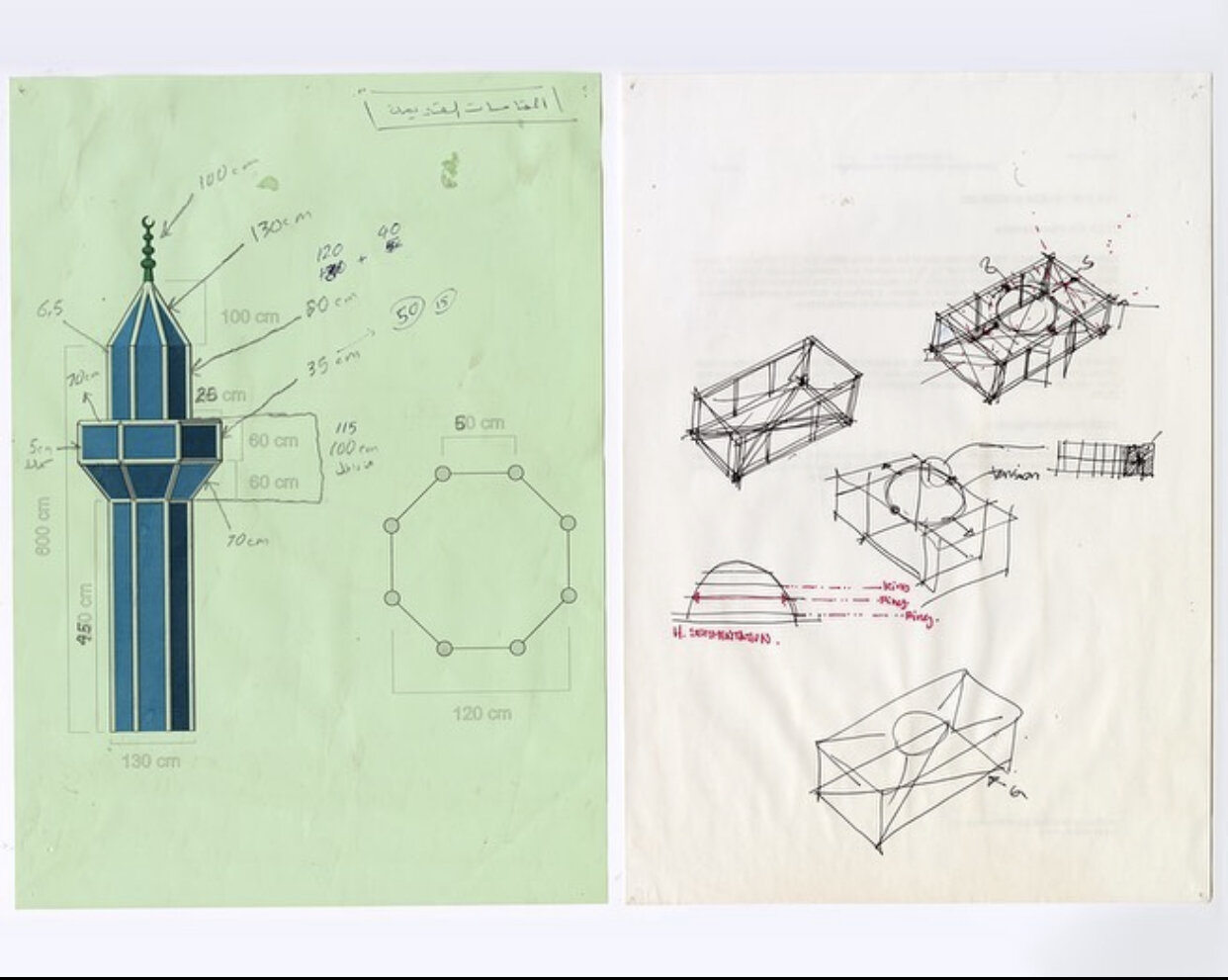
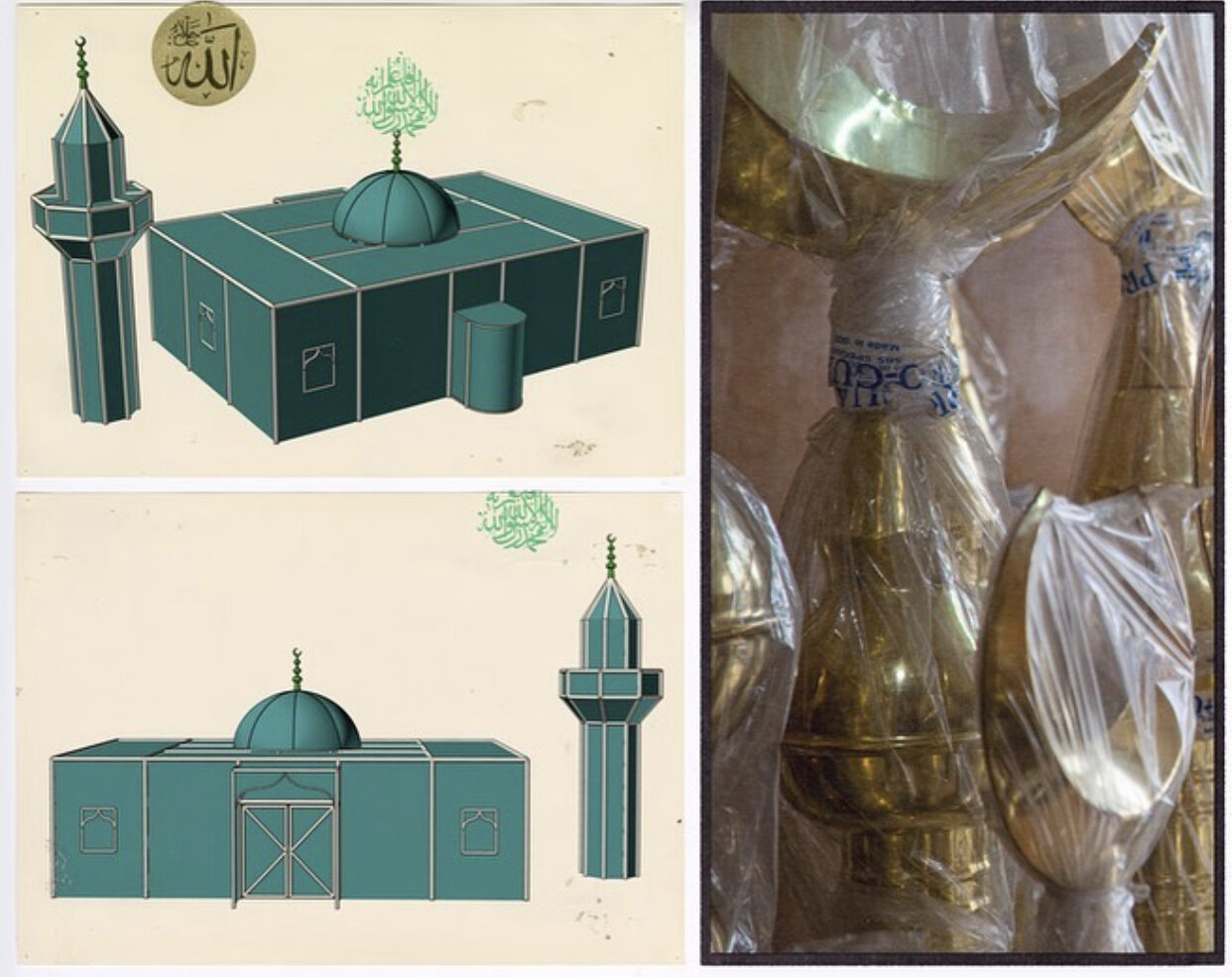
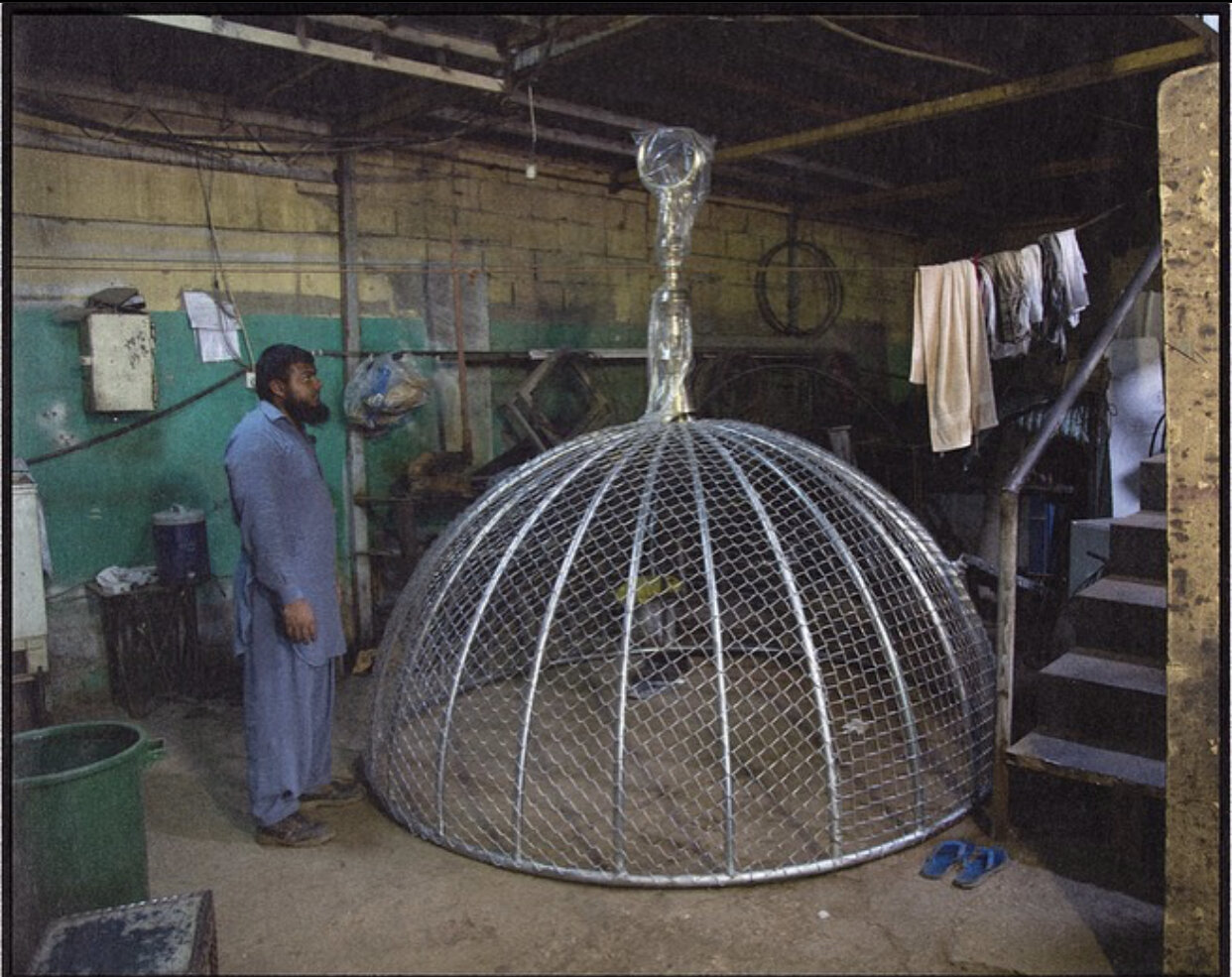
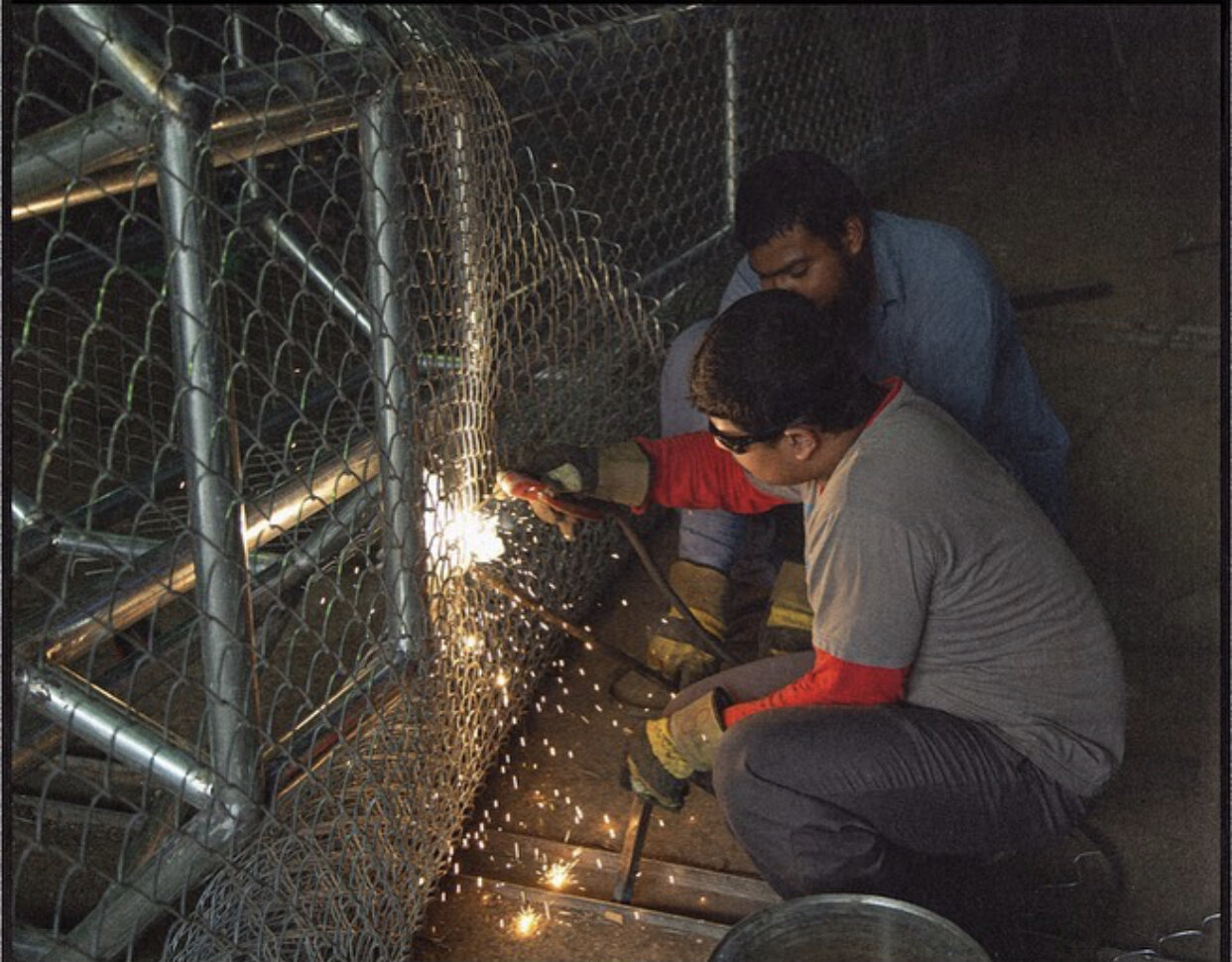
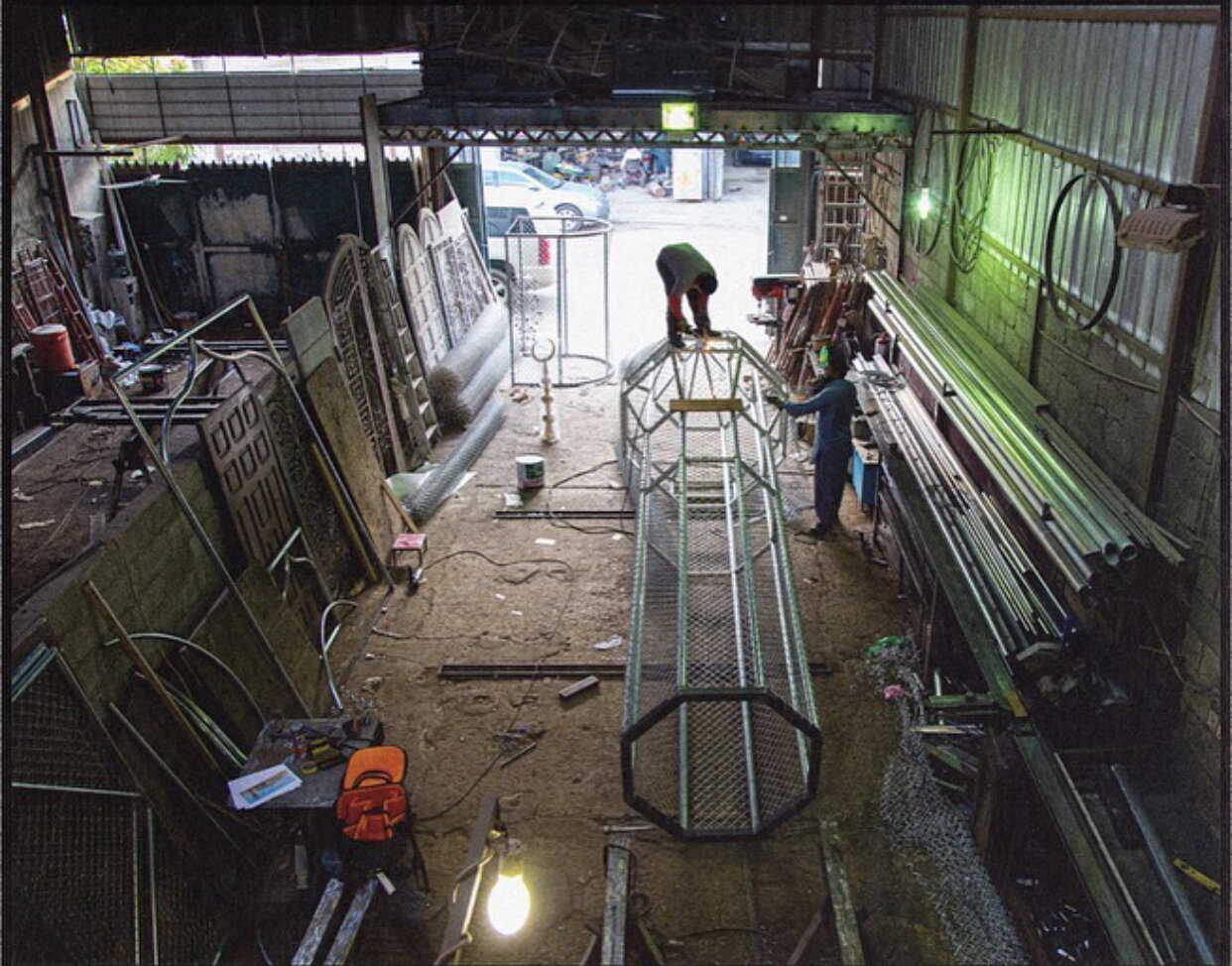
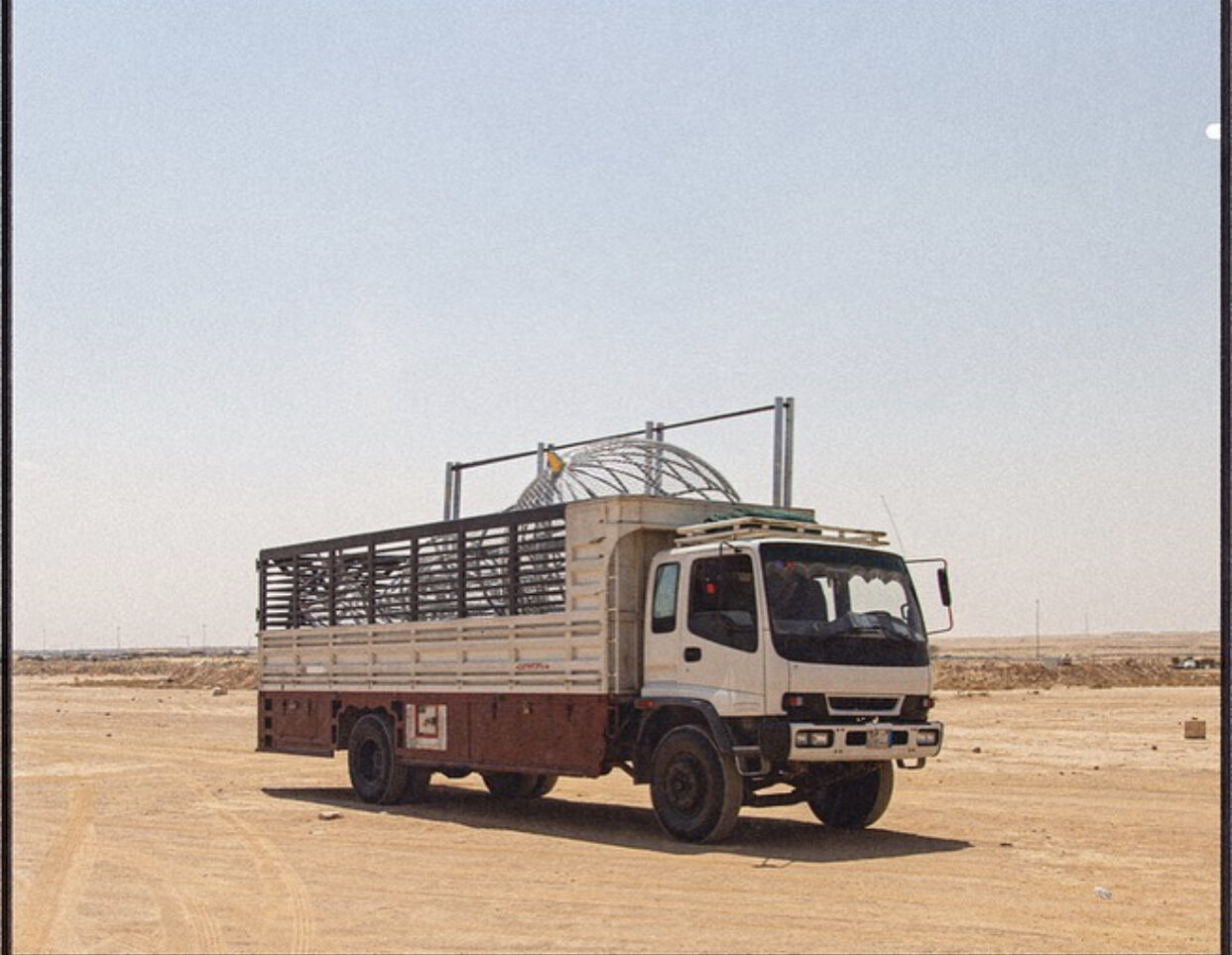
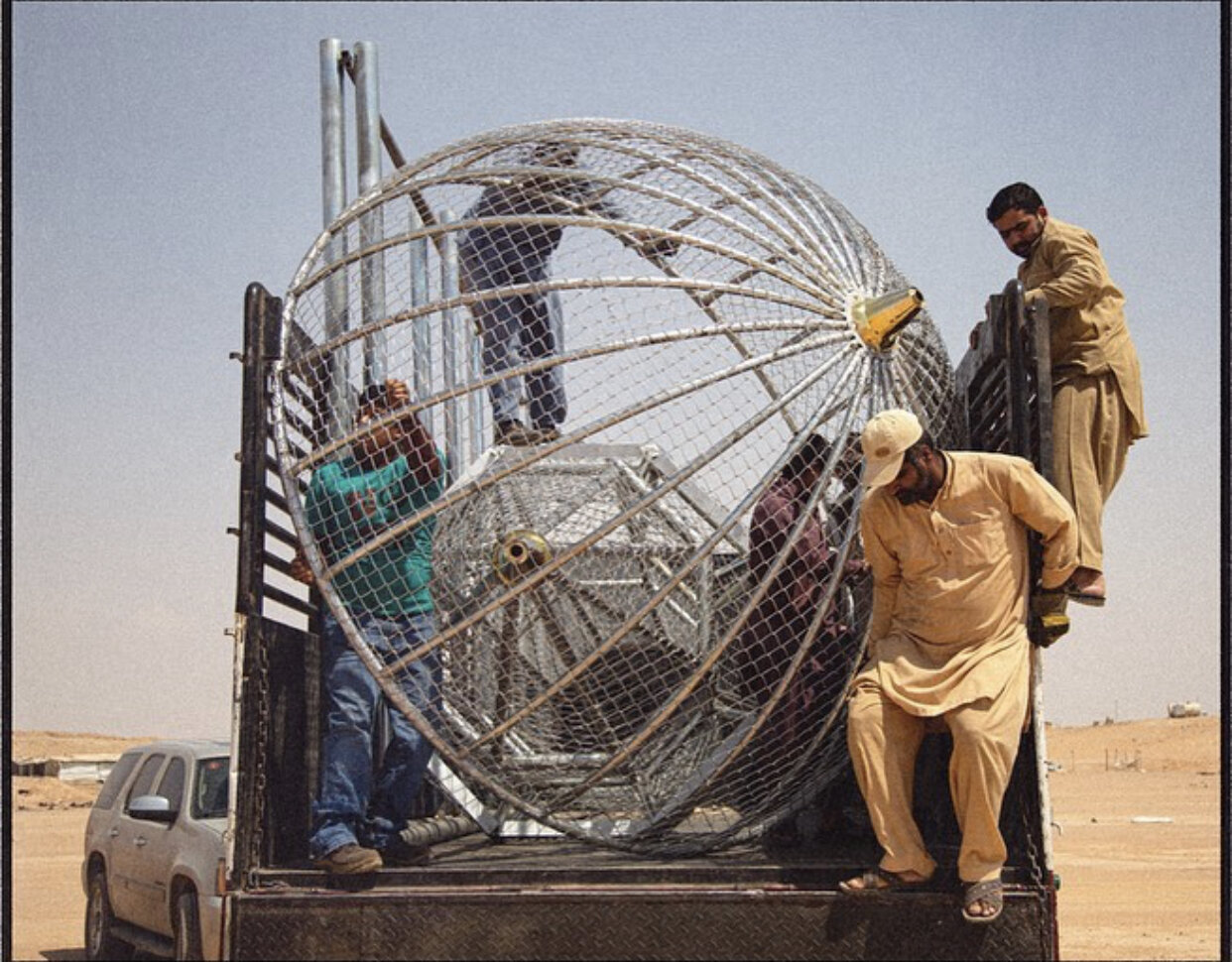
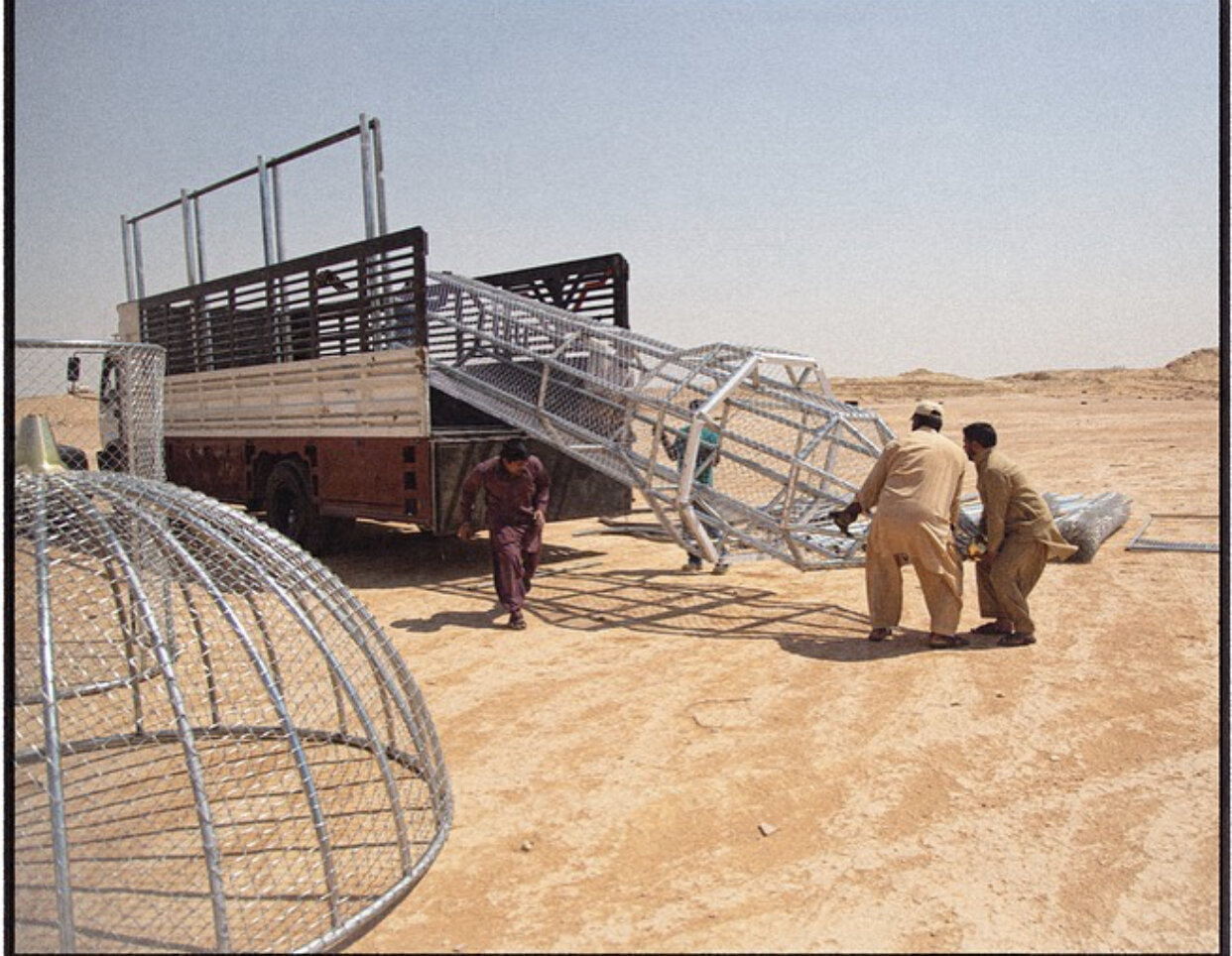
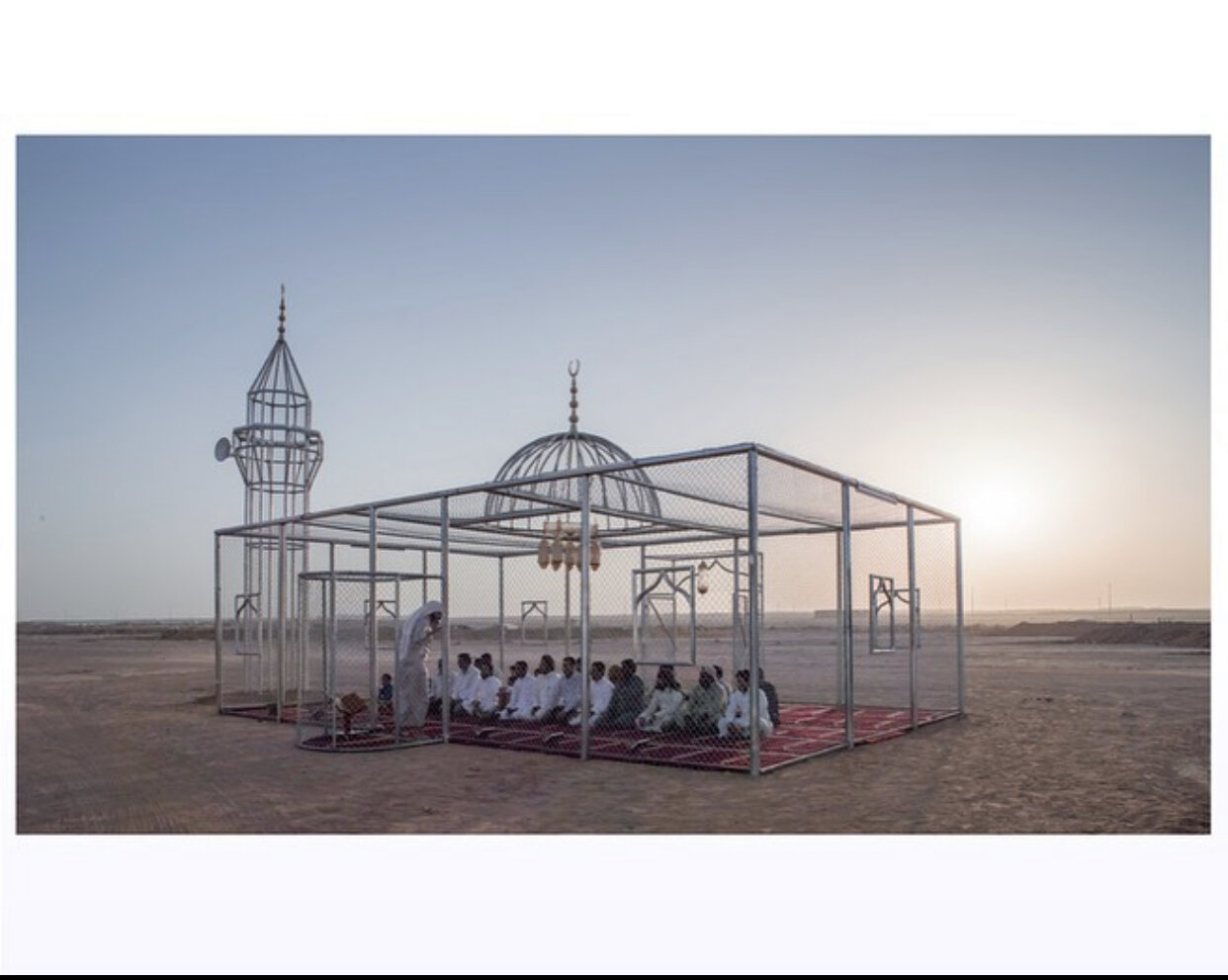
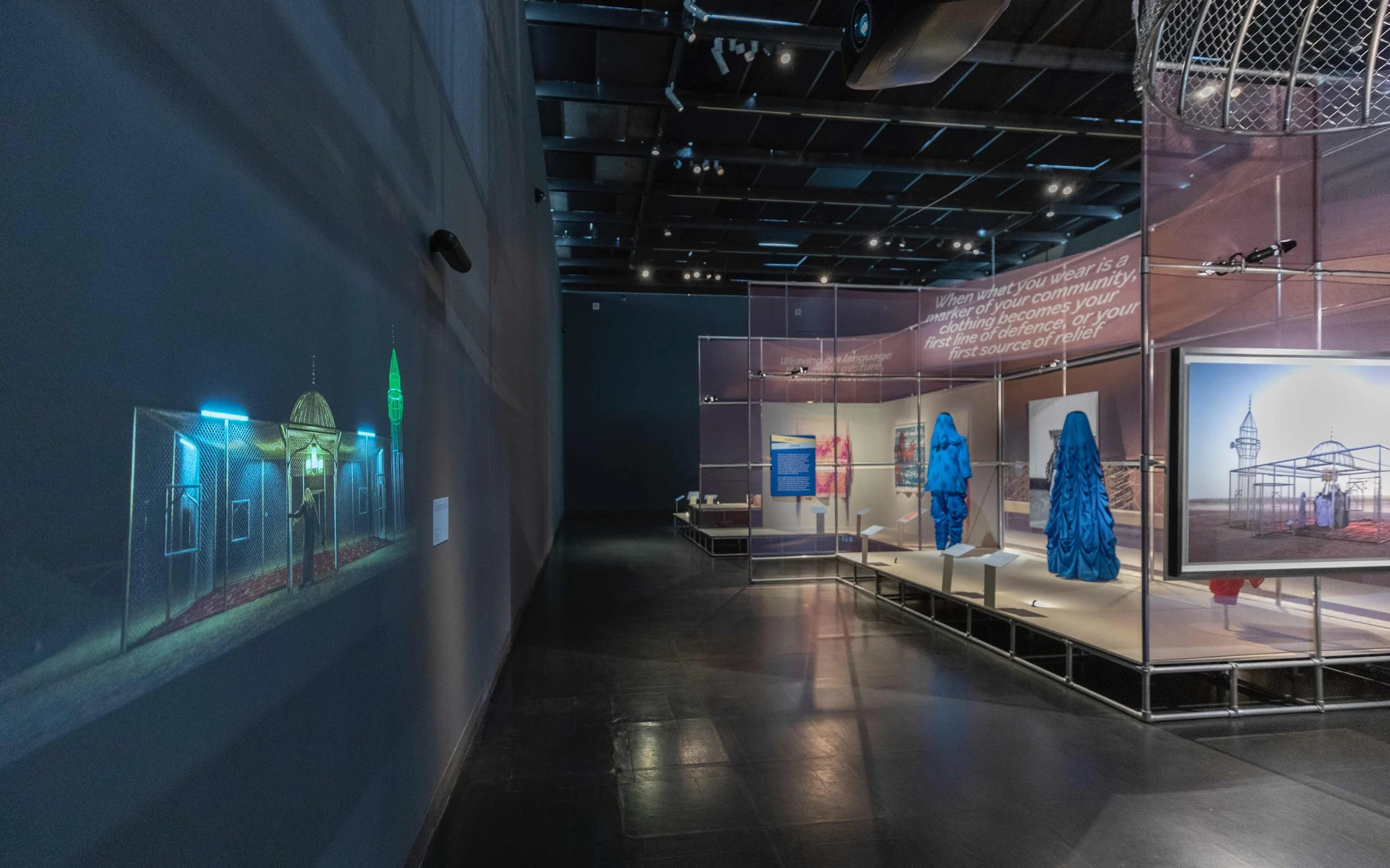
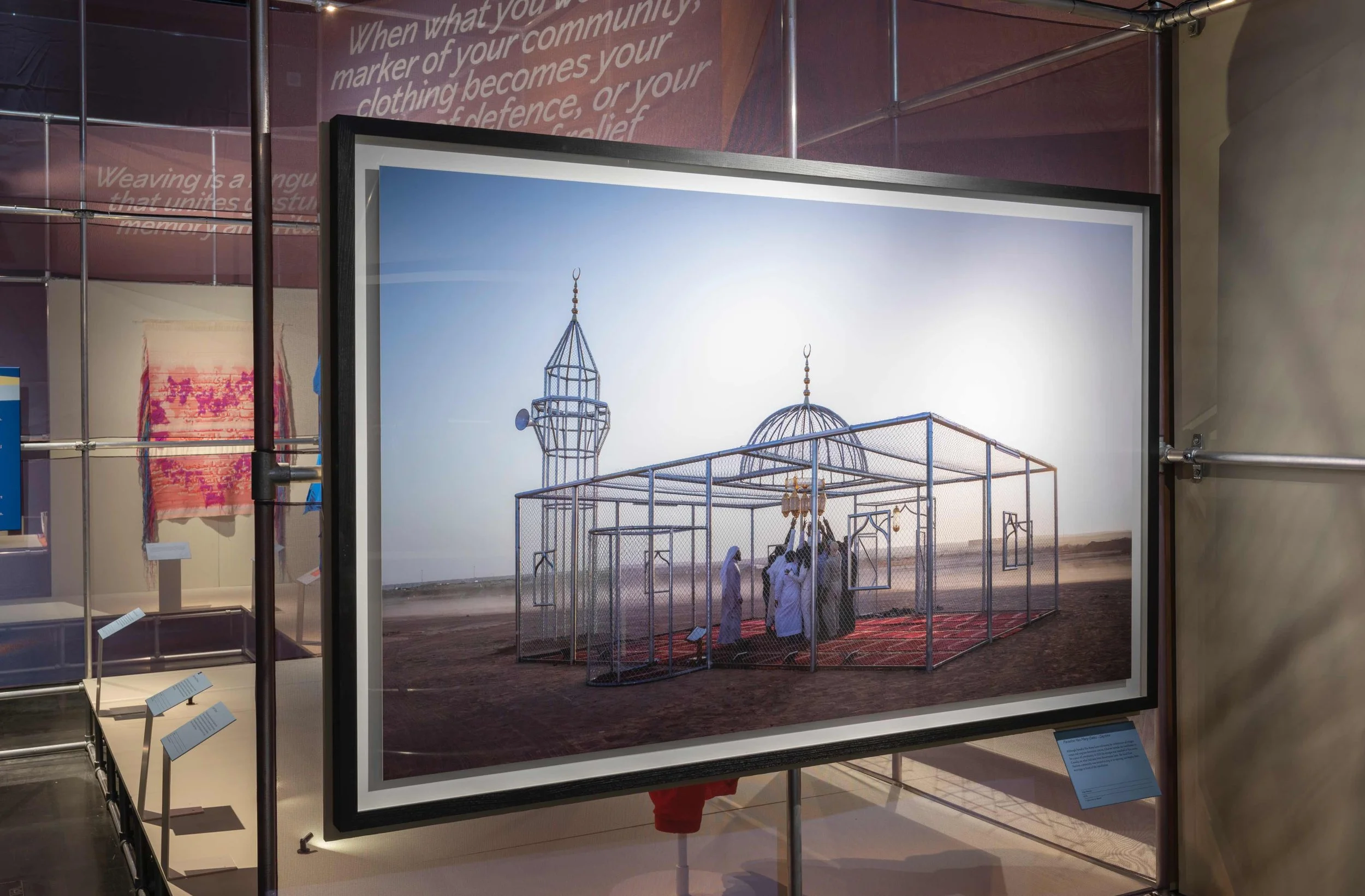
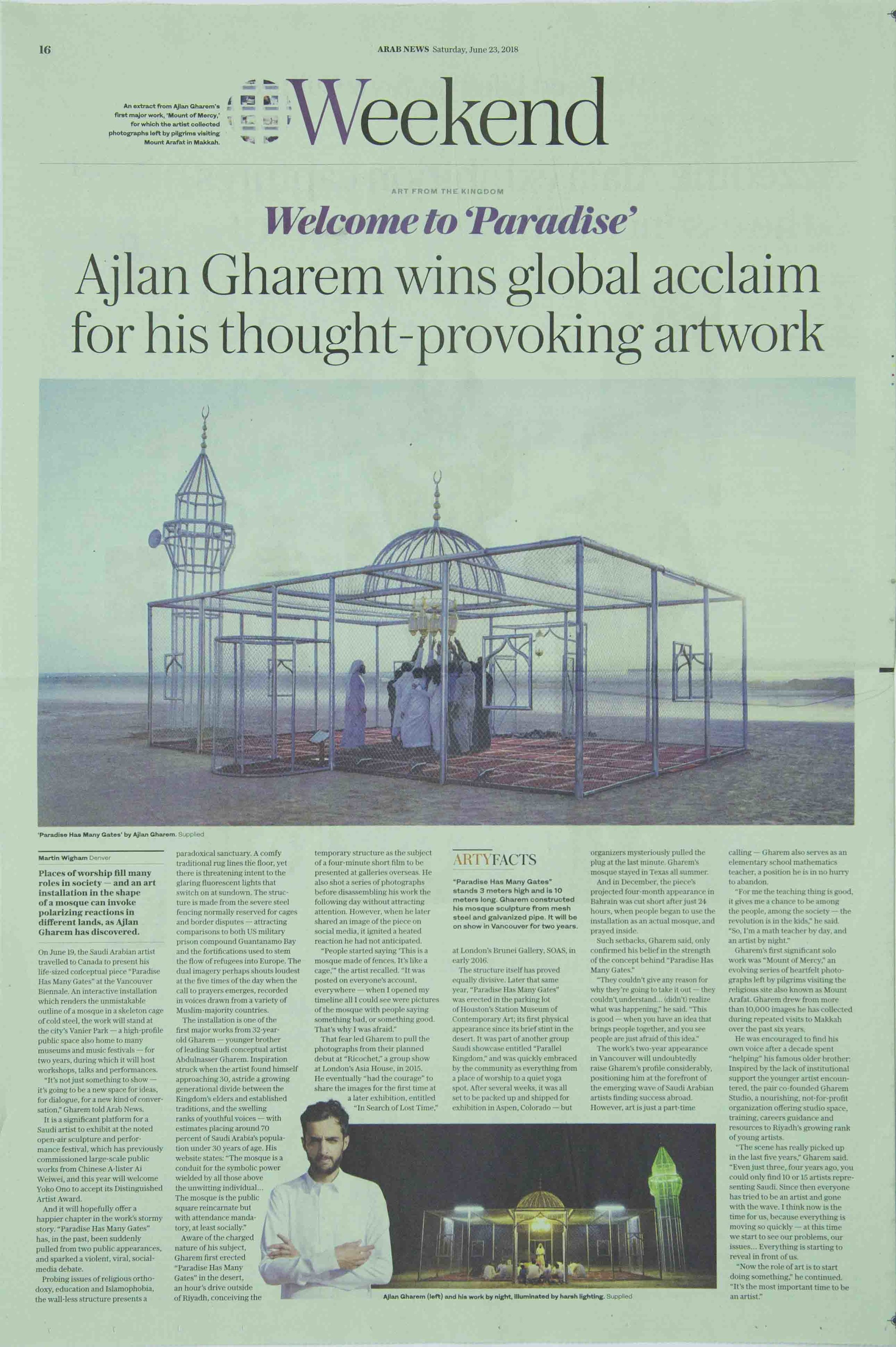
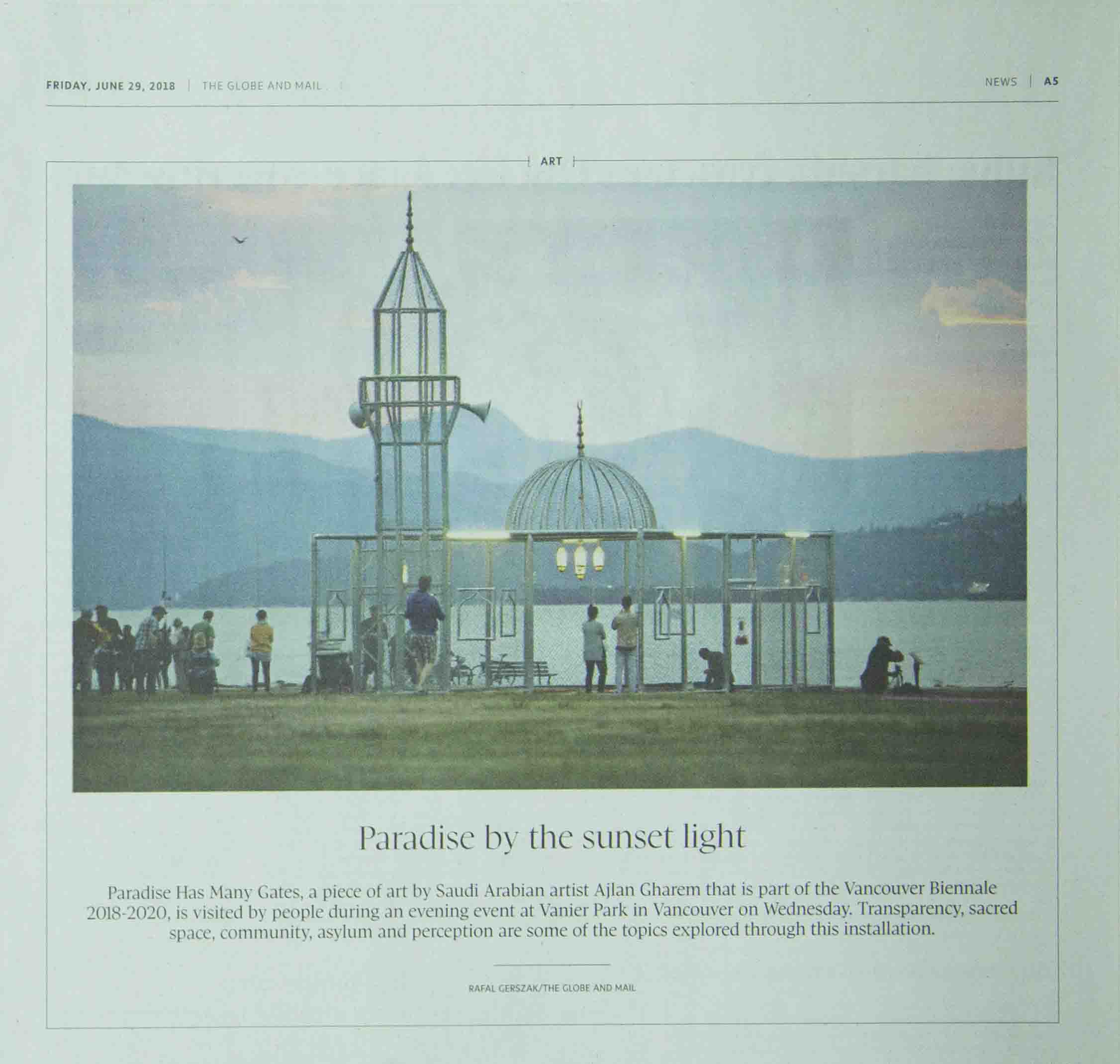
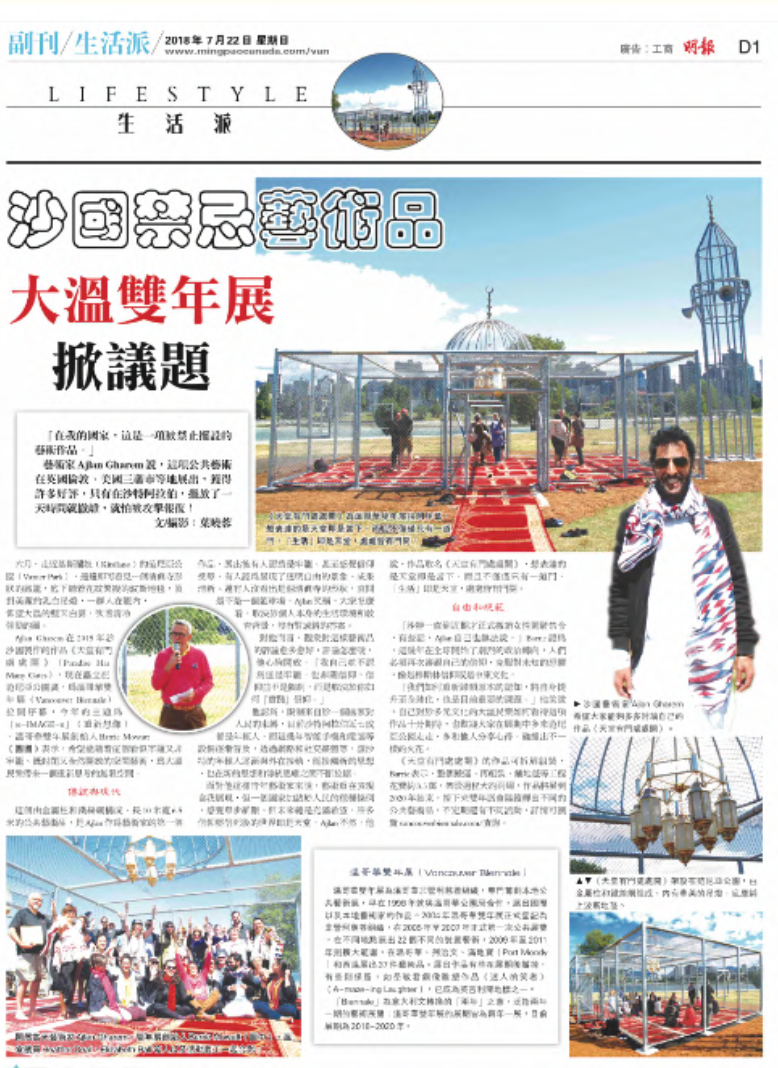
“Paradise Has Many Gates”, by Saudi Arabian artist Ajlan Gharem. The installation is designed in the architectural form of an Islamic mosque. What makes this mosque unusual, beyond its temporary location in Vanier Park, is that it’s made out of chain-link fence, which is more commonly used to keep the unauthorized out or the imprisoned in. The mosque evokes multiple meanings and feelings; the generational divide between young and old, the designation of sacred space and its meaning within different cultures, the role of religious belief and our search for new knowledge and ways of living, the power struggle between religious constraint and democratic freedom.


Location: Vanier Park, Vancouver

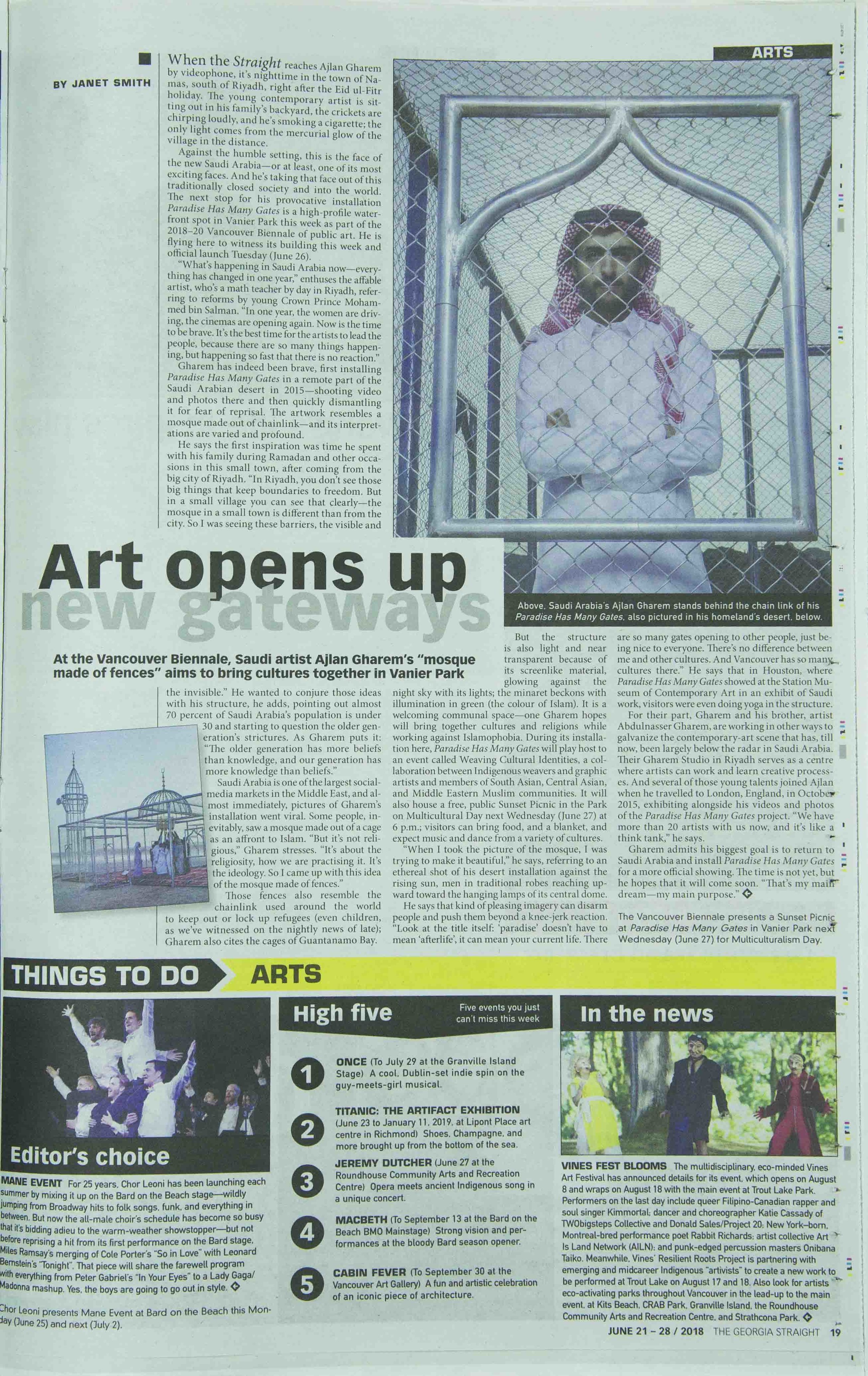
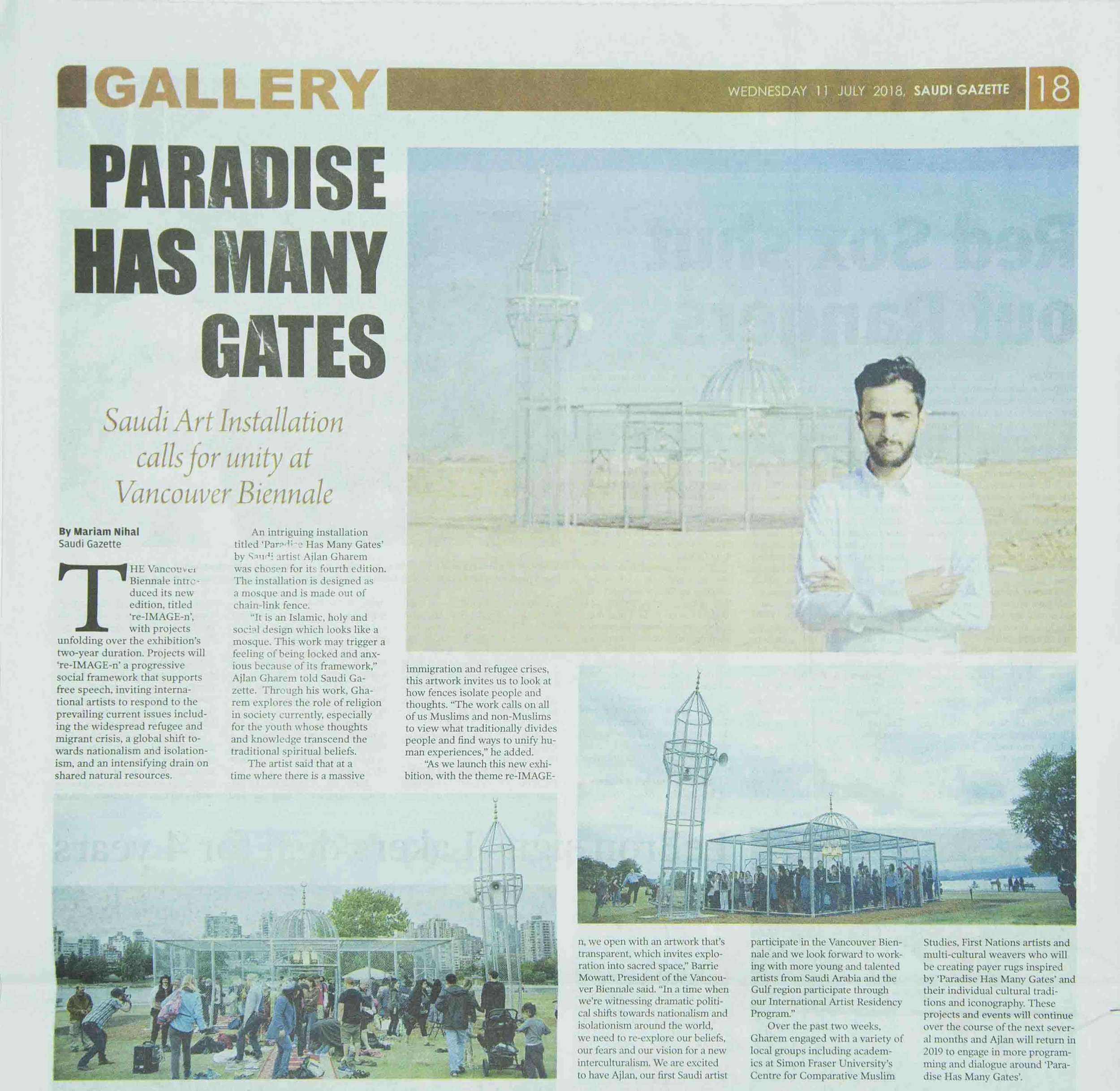
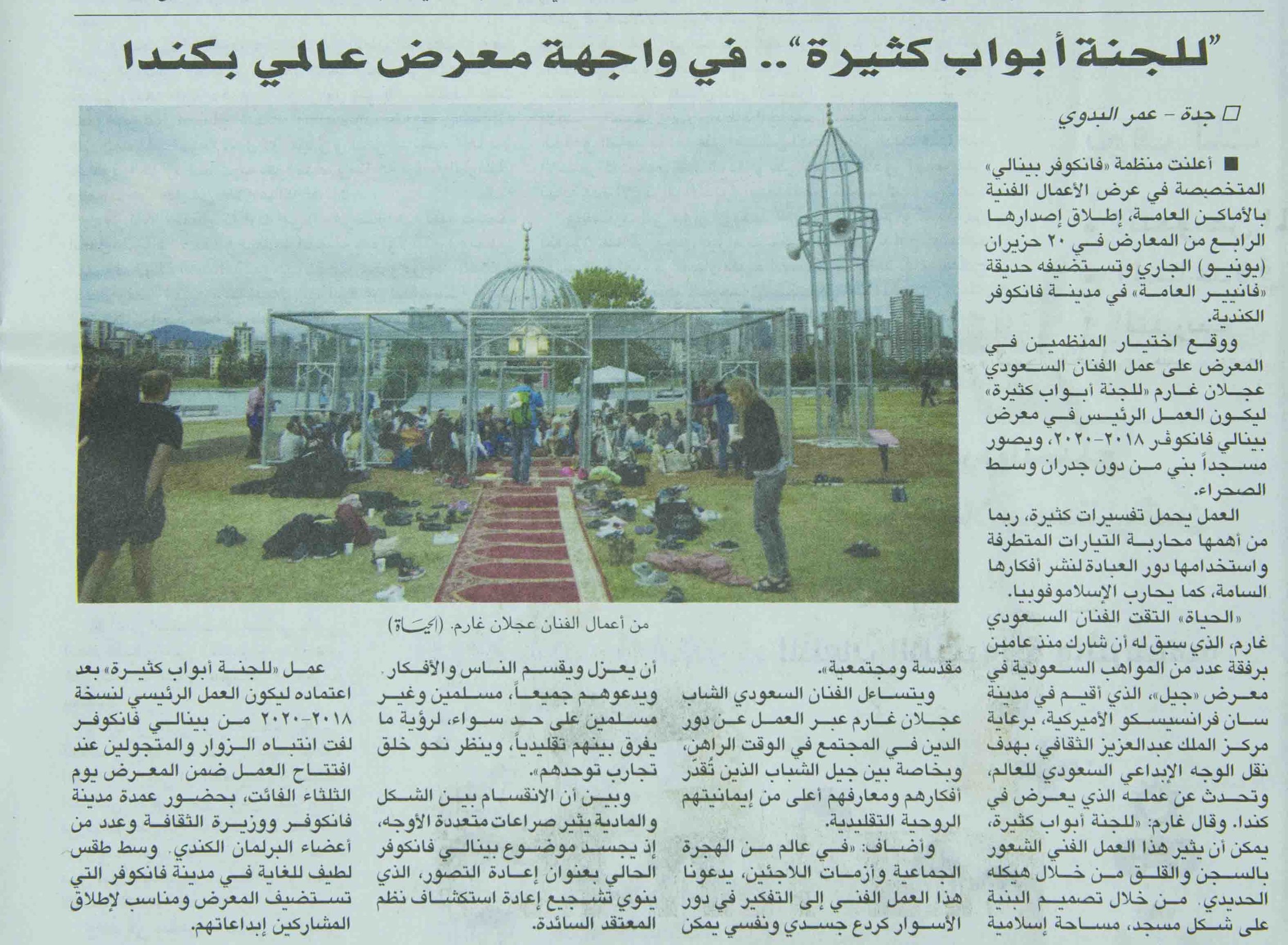
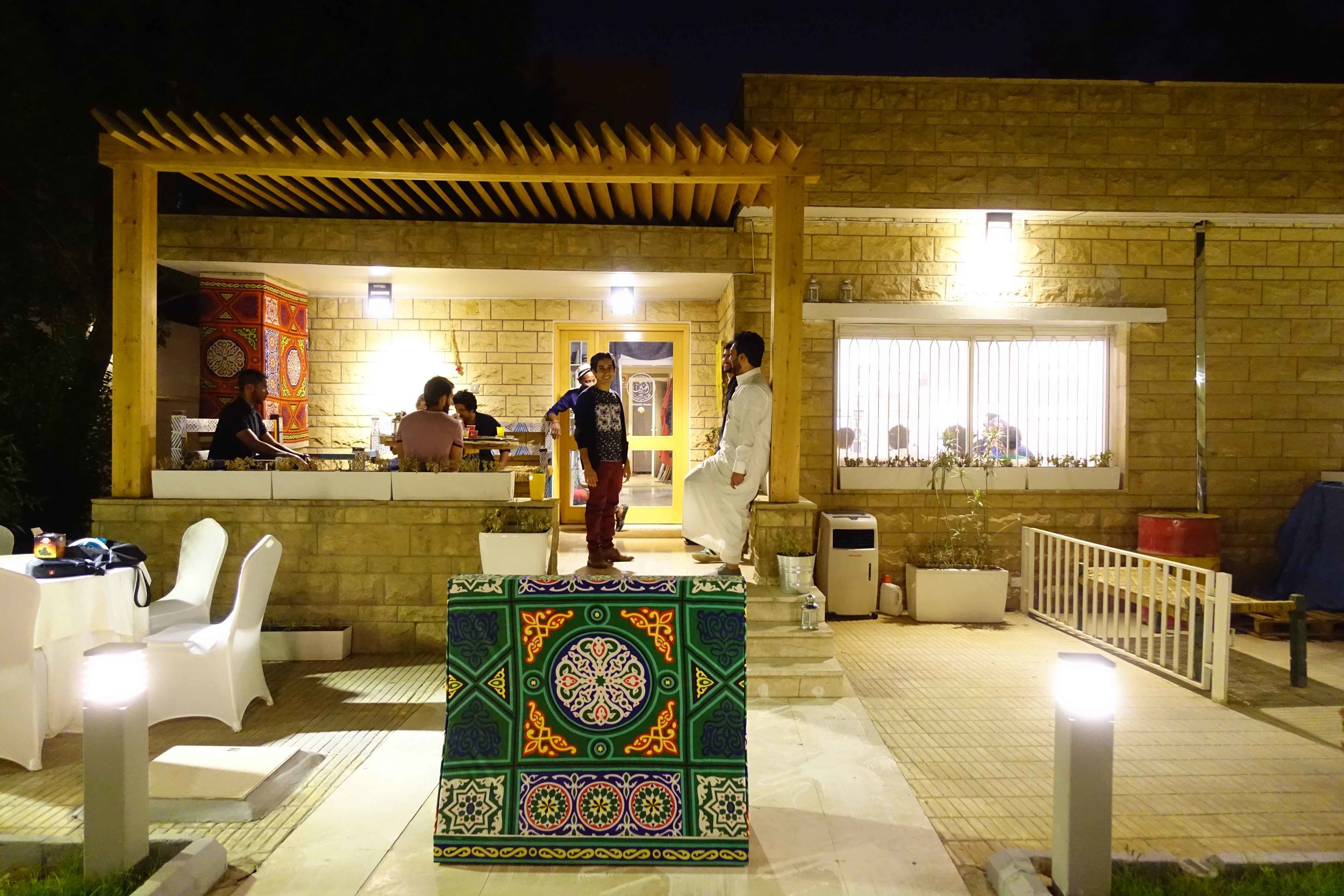
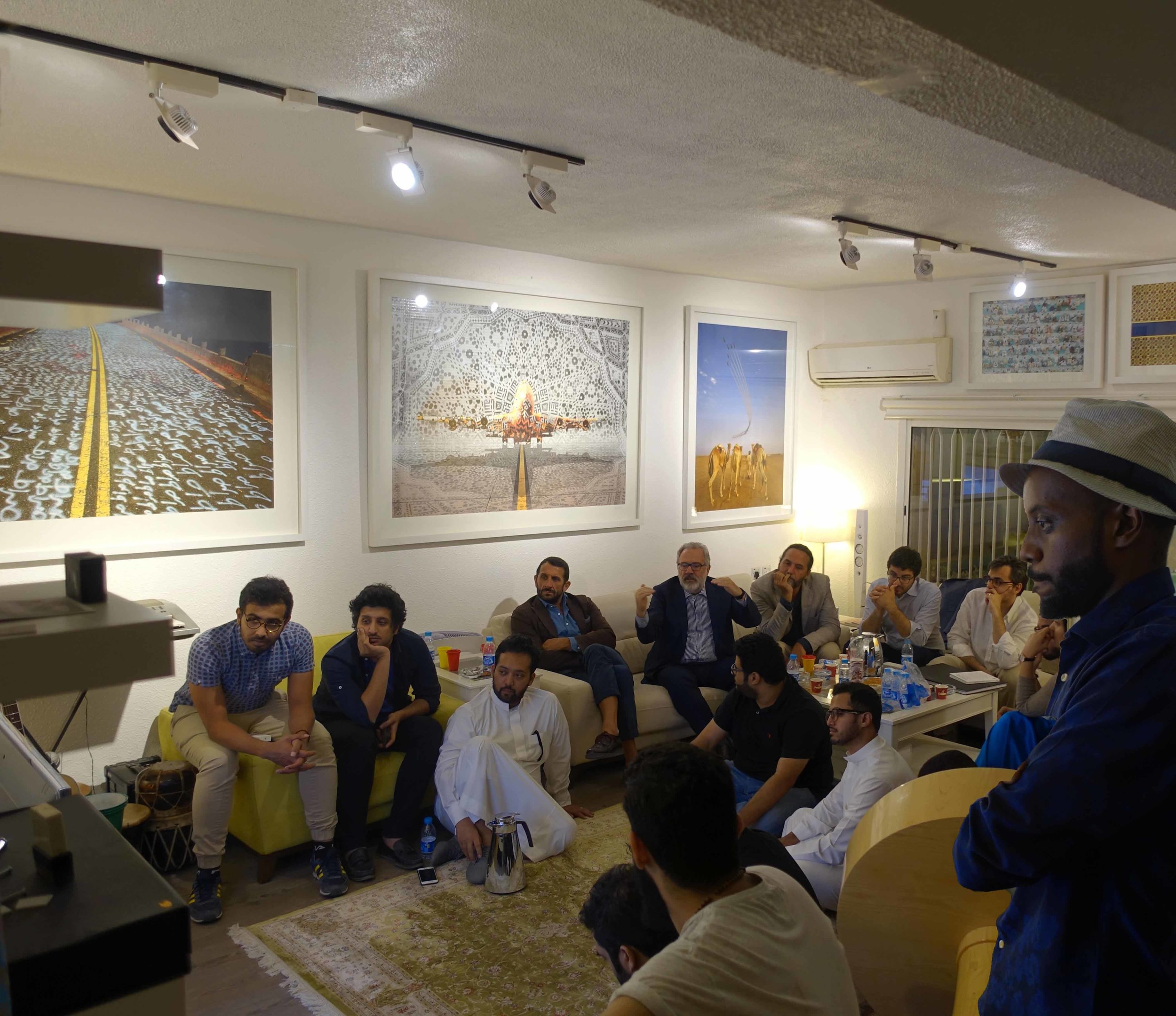
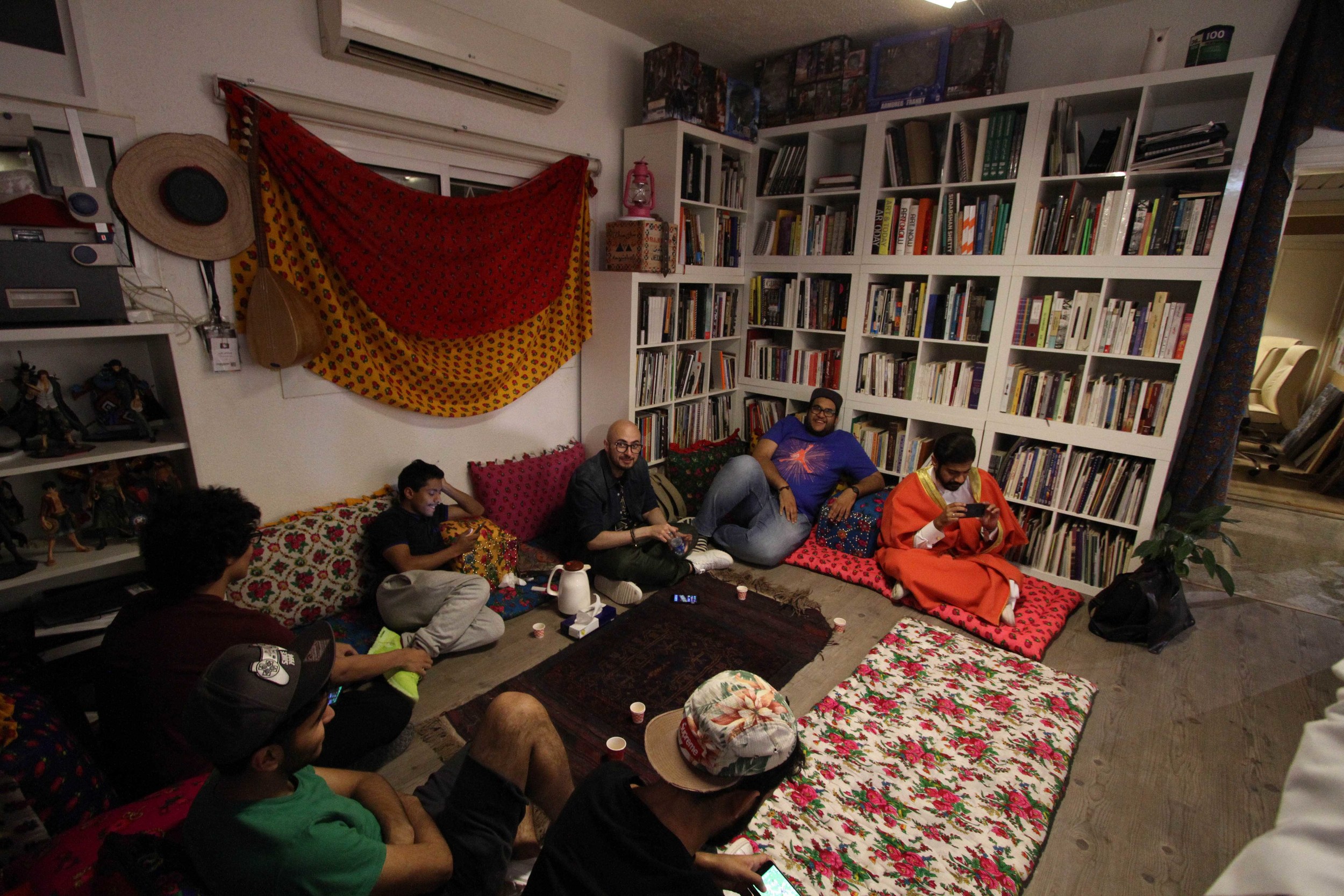
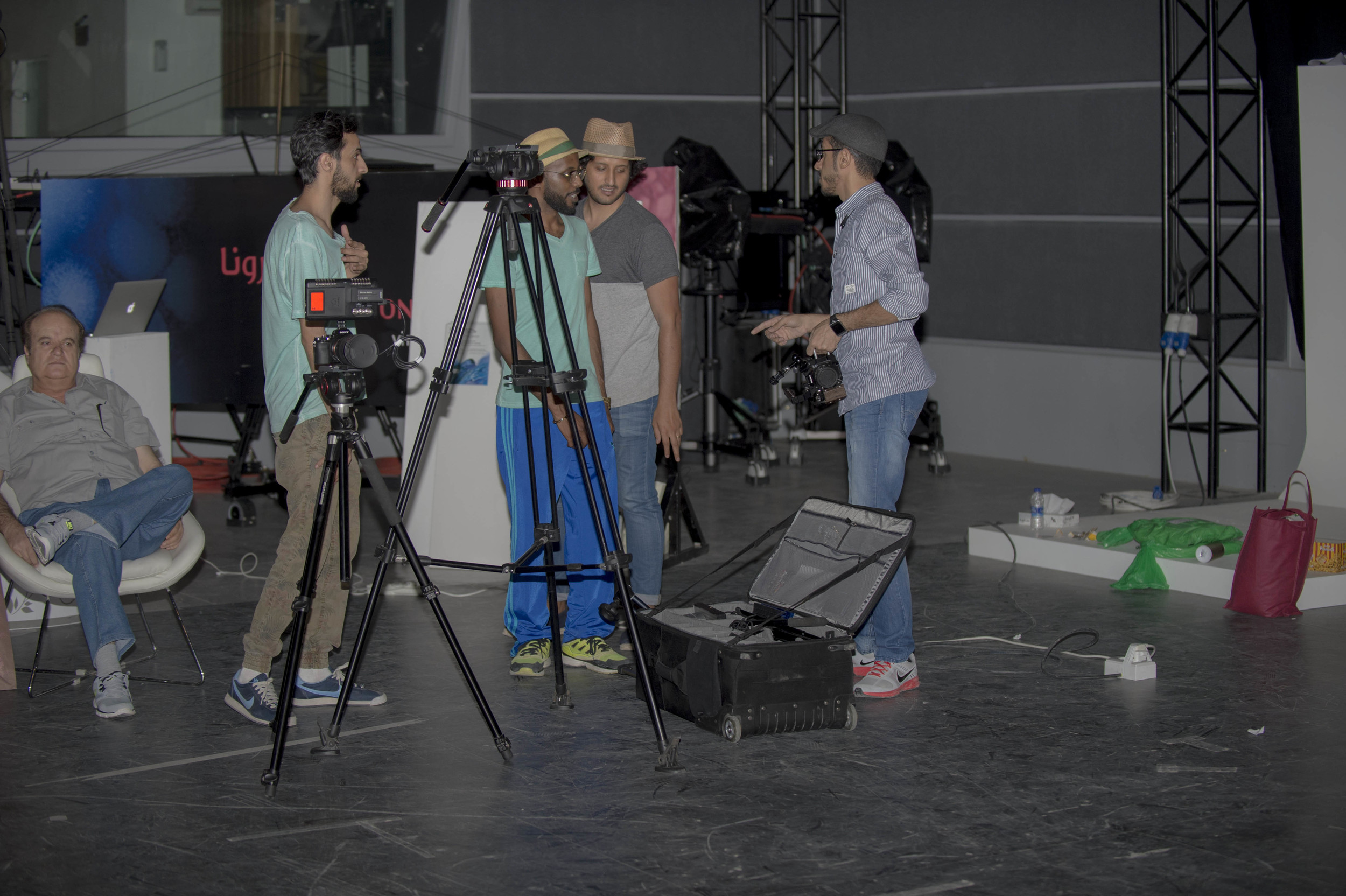
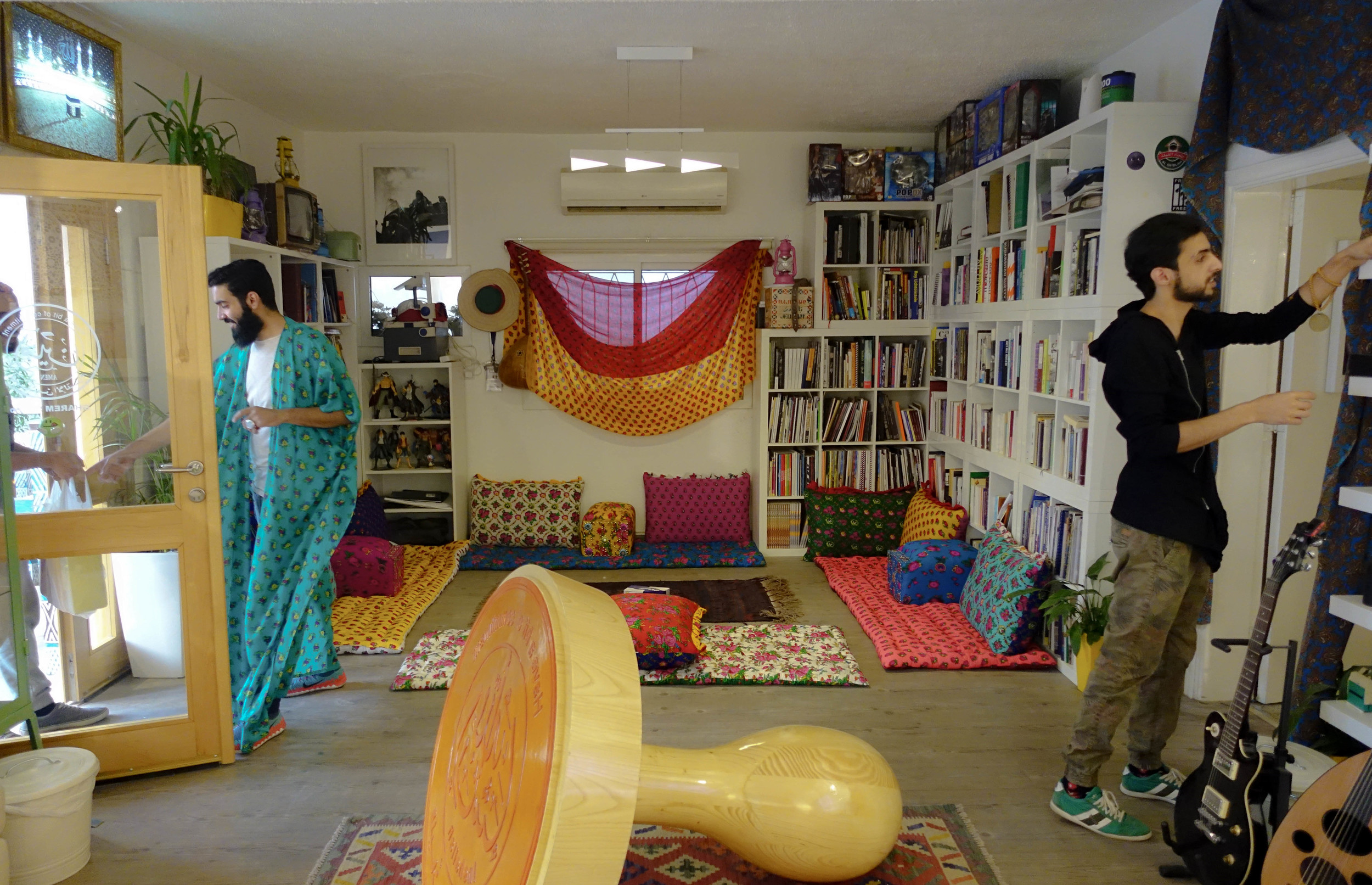
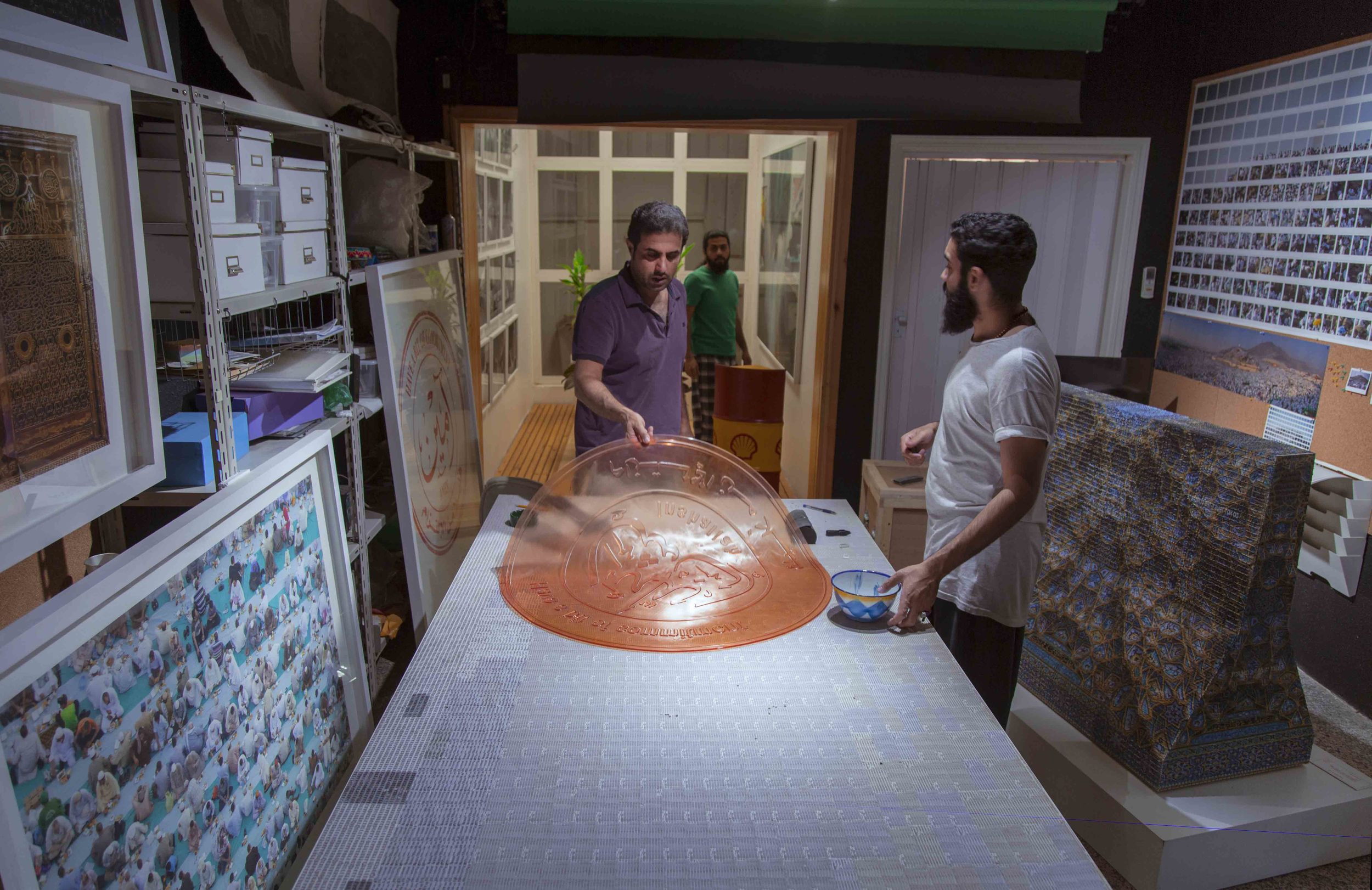
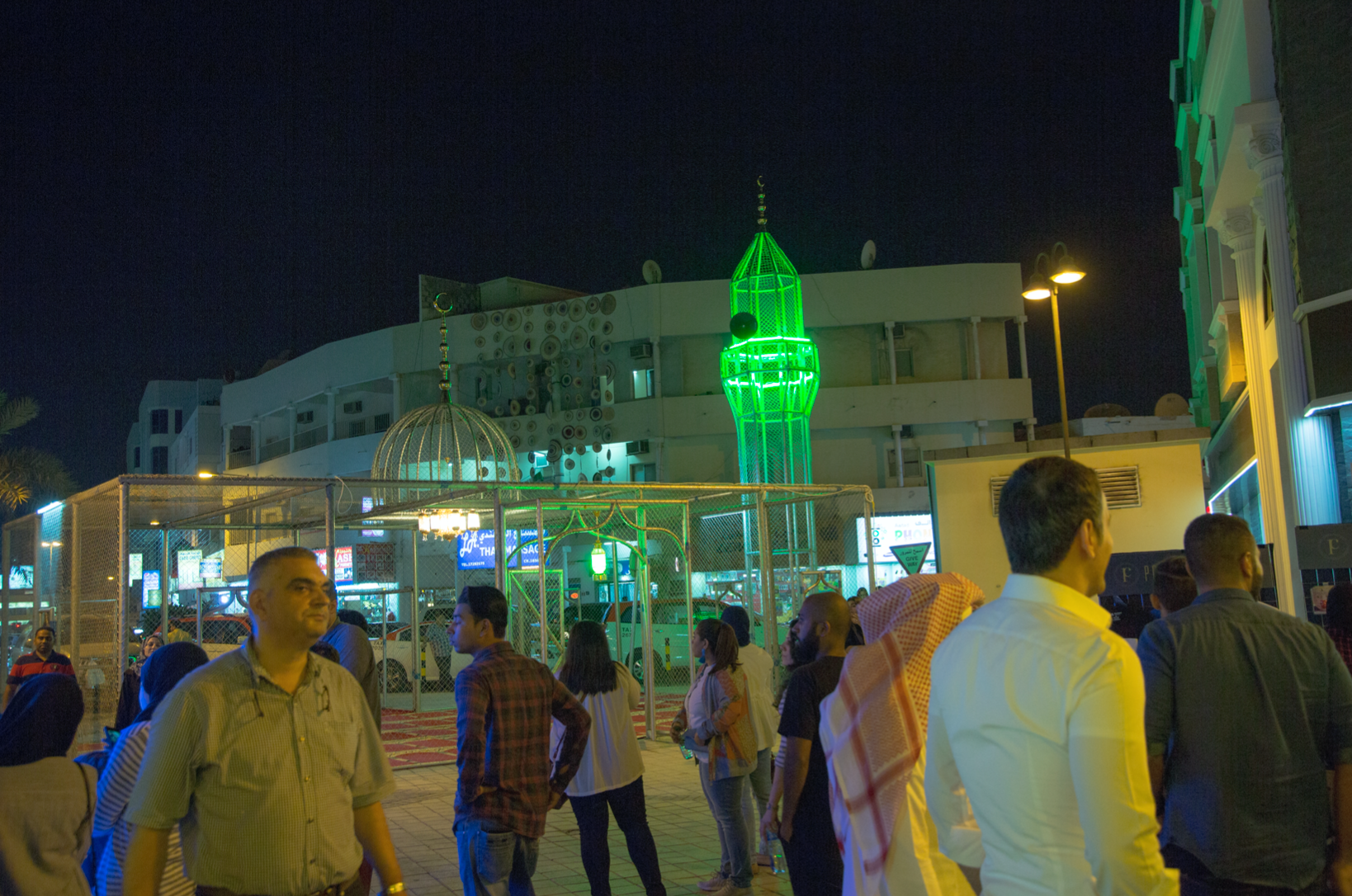
courtesy of Gharem Studio
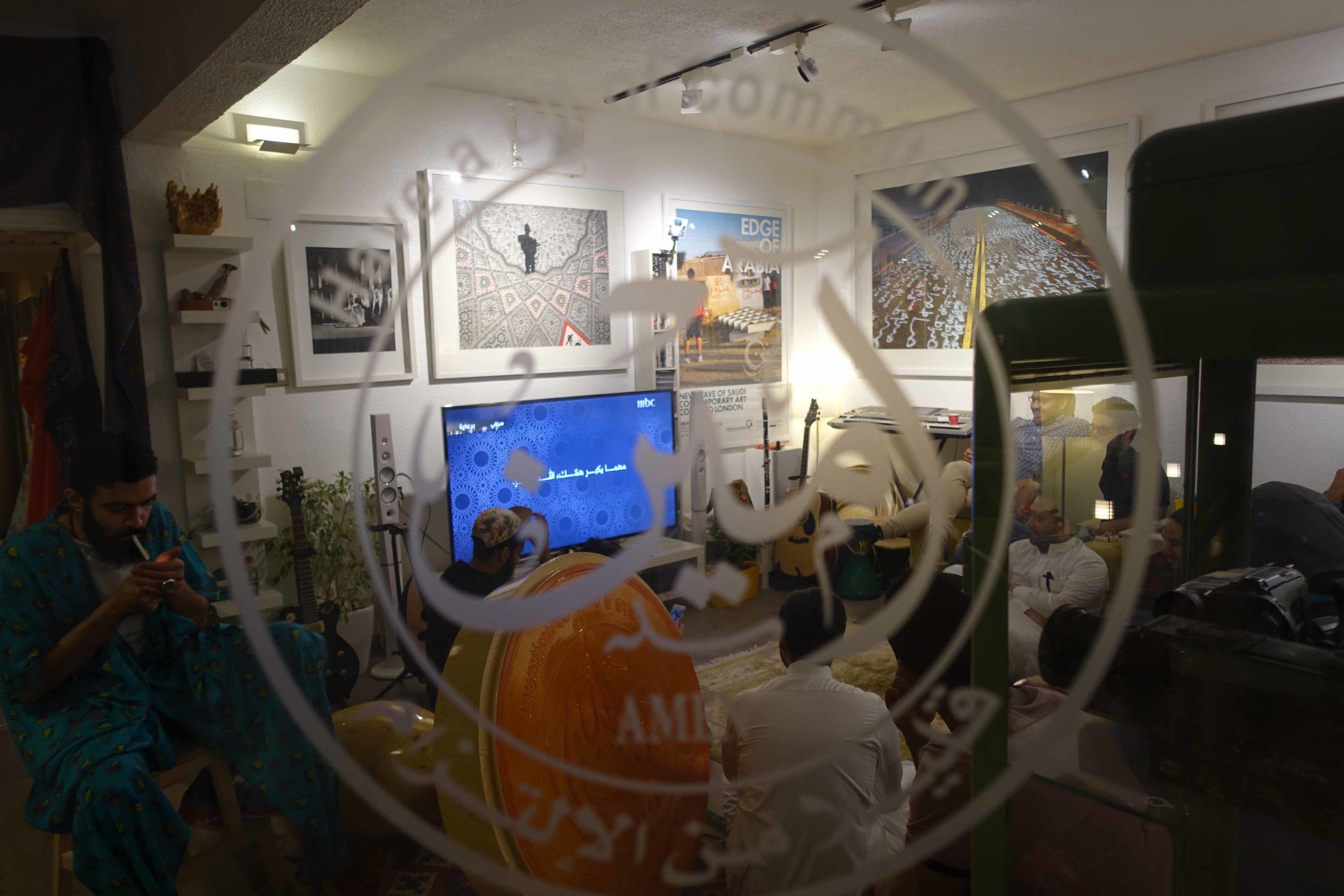
“Gharem Studio is not only a space for the artist’s personal production, but also home to a new art initiative. “These kind of spaces are very important. We are trying to create a dialogue and platform, and also be an incubator” ”
Operating as an alternative space for people to meet each other, Gharem Studio’s main goal is to cultivate natural and organic growth in the local art community, without any outside influence. Gharem Studio has, thus, adopted an inclusive attitude. “I want this space to act as a guide for everyone who utilizes it to [be able to] come up with ideas and initiatives, [and for it to be] a place where people can be natural,” said Gharem. “When I was younger I suffered from what I call being ’a double dealer,’ where in front of society you are a certain person and behind closed doors you are someone else. [With Gharem Studio] I’m trying to create a holistic environment. I might have made mistakes in the past, but I want the next generation of artists to learn from me,” he added.
The studio was created from Gharem’s desire to take advantage of living in a contemporary society and address issues that arise from living in such circumstances. According to the artist, people need a place to freely do what they love, and Gharem Studio is aimed at making people feel that way—like they are a complete citizen. It is a place where one can contemplate societal issues without worrying about ideology, and have help in directing new conceptual ideas and initiatives; but most importantly, it is a space where artists can be true to themselves.
“Artists are repressed in the Arab world—they haven’t been given the space to find a role, so they just roleplay,” said Gharem. “There is a big problem between understanding freedom and having fun. Pushing artists to produce work requires a lot of effort and energy, but that is how […] their energy and vision [should be used]—to enhance and produce something that is eternal. That is the core goal of Gharem Studio: to [encourage artists to] find a mission and a sense of belonging.”